New report shares a positive outlook for the future of the European chemical industry
‘The European chemical industry is dealing with significant challenges, which often overshadow its long-term and sustainable strengths.’ A new report by Deloitte gives a refreshing and (for once) a more positive outlook of the future of the chemical industry.
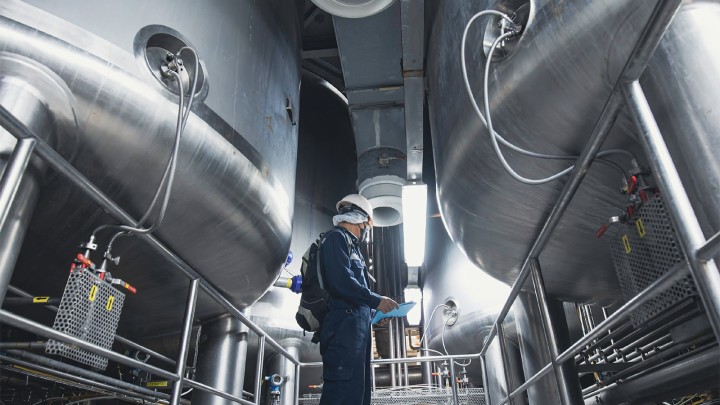
Three key strengths of European chemicals
According to the report by Deloitte the European chemical industry has three key strengths to build on:
- Strong Home Markets: Europe remains the second largest chemical market globally, not only in terms of volume but also quality-wise. It is characterized by applications and customers that demand and value high-end products and services.
- Integrated Chemical Parks: Europe is home to over 60 chemical parks that provide efficient and integrated production setups. They enable the joint use of utilities and services while optimizing the flow of by-products and intermediates across value chains.
- Collaboration: Europe is globally renowned for its close and effective collaboration between industry and academia. This partnership drives solution-oriented innovation in future-critical sectors like sustainability, circularity and bio-based chemistry.
The type of collaboration mentioned above is central to the purpose of Catalisti and Moonshot Flanders.
Six attractive segments
Deloitte also identified six particularly attractive segments within the chemical industry that will benefit the most:
- Advanced polymers: Essential for cutting-edge applications and technologies, advanced polymers play a pivotal role in industries like automotive, aviation, medical, and other high-demand sectors.
- Advanced materials: These materials are the building blocks of Europe’s green transformation, serving a critical function in batteries, light weight composits, and more. The increasing focus on geographical resilience will support local sourcing and production all across the value chain.
- High-performance resins: Key ingredients for sustainable and innovative solutions, high-performance resins enable advancements in fast, low-energy curing adhesives and specialty resins for advanced electrical and electronical use.
- Knowledge chemicals: Encompassing a broad range of applications, including topics like food/feed additives, construction chemicals, and personal care ingredients, knowledge chemicals require a deep understanding of customer needs to provide tailored solutions.
- Surfactant-related building blocks: While not immediately obvious as a “winner”, these building blocks benefit from the increasing sustainability trend and the need for stable local supply chains that will require local production.
- Advanced intermediates: In addition to supporting geopolitical resilience, advanced intermediates offer opportunities for global leadership positions.
According to Deloitte global mega-trends such as sustainability and circularity are reinforcing the chemical industry’s strengths.
Maintain confidence
The European chemical industry’s outlook is mostly positive, but significant challenges remain, according to Deloitte. In commodity chemicals, closures and divestments—especially in naphtha cracker and polyolefin assets—reflect painful adjustments. Weak regional demand, high energy costs, and heavy regulation continue to weigh on the sector. While initiatives like the EU’s Clean Industrial Deal and the Antwerp Declaration for a European Industrial Deal aim to address these issues, their concrete benefits have yet to materialize.
Despite this, there are strong reasons for optimism, states Deloitte. Over recent years, non-EU buyers have invested more than €30 billion into EU chemical operations, expanding their presence and diversifying portfolios. This demonstrates enduring global trust in European markets and the appeal of European chemical expertise. By focusing on its strengths and building upon them, the European chemical industry is well-positioned to secure a prosperous future—provided it maintains confidence and trust in its capabilities.